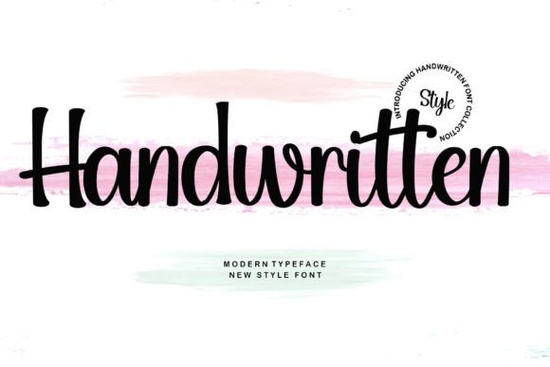
If you're looking for a handwritten font that blends modern flair with classic calligraphy roots, Handwritten Font might be exactly what your next project needs. It’s clean, legible, and carries just enough personality to stand out without overwhelming your design. Whether you’re creating wedding invitations, branding materials, or printable wall art, this font adds a touch of elegance that feels both current and timeless.
What makes Handwritten Font work so well for creative projects?
Unlike overly stylized script fonts that can be hard to read at small sizes, Handwritten Font maintains excellent clarity while still feeling personal and expressive. Its letterforms are carefully crafted with subtle variations in stroke weight inspired by traditional calligraphy but simplified for everyday use. This balance makes it especially useful for:
- Custom greeting cards and stationery
- Logo designs for boutique brands
- Social media graphics that need a human touch
- Print-on-demand products like mugs, tote bags, or apparel
Because it avoids extreme flourishes or exaggerated loops, it scales well from headlines down to short body text (like quotes or product labels). That versatility is rare in the world of script fonts.
How does it compare to other popular handwritten styles?
Not all handwritten fonts are created equal. Some lean too casual (Baby Boho, for example, has a playful, relaxed vibe perfect for kids’ designs), while others go full formal like Ashley Southine, which features dramatic swashes ideal for luxury branding.
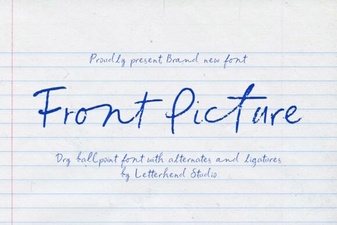
Handwritten Font sits comfortably in the middle: refined but approachable. If you like the smooth flow of Randy Sofia but want something slightly more structured, this could be your go-to. Similarly, if Front Picture feels too geometric for your taste, Handwritten offers organic warmth without losing professionalism.
And if you're exploring options beyond this one, Creative Fabrica’s collection of handwriting-style script fonts includes dozens of alternatives tailored to different moods from rustic to romantic.
Who should use this font and where?
Small business owners creating their own marketing materials will appreciate how easily Handwritten Font conveys authenticity. Crafters making digital planners or printable journals can pair it with clean sans-serifs for a balanced layout. Print-on-demand sellers often struggle to find fonts that look premium without requiring licensing headaches this one delivers on both fronts.
Even hobbyists designing birthday banners or recipe cards will find it intuitive to use. Because it’s a single-style font (not part of a massive variable family), there’s no confusion about which weight or variant to pick it just works.
For reference, you can see the full details and license terms on its official page: Handwritten Font.
Tips for using Handwritten Font effectively
To get the most out of this typeface, keep these practical pointers in mind:
- Avoid all caps. Like most script fonts, it’s designed for lowercase and mixed-case use. Uppercase letters may feel stiff or disconnected.
- Pair it wisely. Combine with a neutral sans-serif (like Montserrat or Lato) to let the handwriting shine without visual competition.
- Use generous spacing. Slightly increased letter-spacing (tracking) can enhance readability, especially in short headlines.
- Limit line length. Best used for titles, quotes, or short phrases not paragraphs of body text.
Remember: the goal isn’t to make your design look “fancy,” but to communicate warmth and intention. Handwritten Font succeeds because it feels like a real person wrote it just with impeccable penmanship.
Before you download, ask yourself:
- Do I need a font that’s elegant but not ornate?
- Will my audience connect with a personal, human touch?
- Am I using it for short-form text where legibility matters?
If yes, give Handwritten Font a try. And if you’re building a toolkit of reliable script fonts, consider adding complementary styles like Baby Boho for casual projects or Ashley Southine when you need high-impact elegance.
Next step: Test Handwritten Font in a real mockup maybe a mock invitation or product label before committing to a full project. Seeing it in context often reveals whether it truly fits your brand voice.
Learn More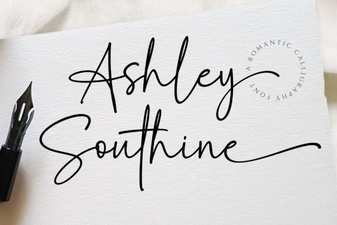 Download Ashley Southine Free Font
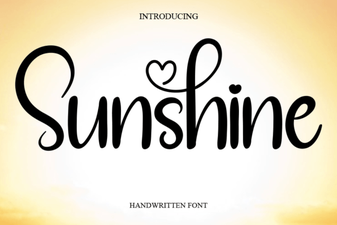 Sunshine Font: Creative Projects & Design Inspiration
 Choosing Fonts That Define Your Front Page Image
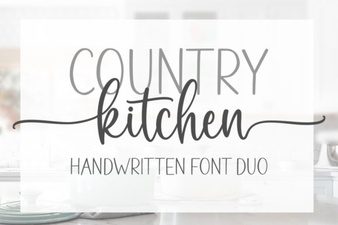 Country Kitchen Font Ideas for Your Home Projects
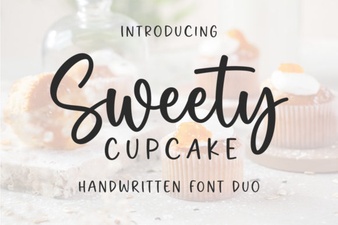 Sweet Cupcake Font: a Designer's Sweetest Tool
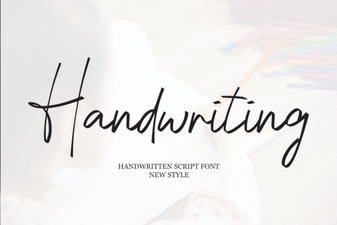 Craft Your Style: Creative Handwriting Font Projects